
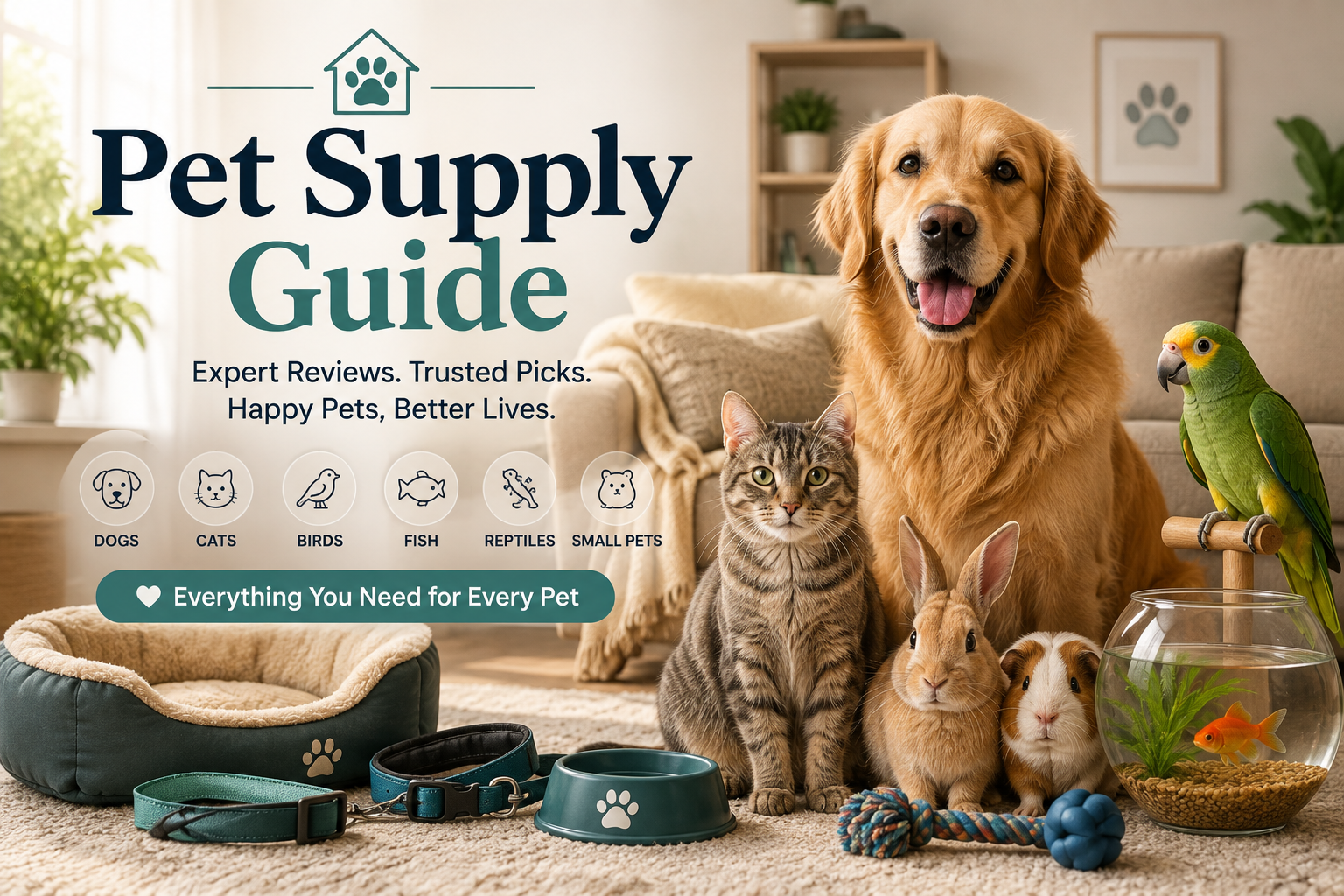
Home
Independent buying guidance for dog, cat, travel, training, grooming and safety products—organized around real ownership needs rather than hype.
Quick Answer
Start with the animal, the task and the environment. The right pet product should fit comfortably, reduce a genuine daily problem, be simple to maintain and avoid features that add cost without improving safety or usefulness.
Compare Current Home Options
Browse current options, then use the decision criteria below to narrow the selection by fit, safety, maintenance and real daily use.
Open the current category selection in a new tab.
View Available OptionsKey Home Decisions
Use these topic areas to move from a broad need to a more confident, specific choice.
Dog Gear
Harnesses, beds, travel products, enrichment and everyday equipment selected around size, activity and routine.
Explore this guideCat Gear
Furniture, carriers, litter equipment, feeding products, scratchers and toys for indoor life.
Explore this guidePet Travel
Carriers, crates, restraints, bowls and packing essentials for safer trips.
Explore this guidePet Training
Reward-based training tools, long lines, clickers, treat pouches and management equipment.
Explore this guidePet Grooming
Brushes, clippers, dryers, tables and cleaning tools matched to coat and handling needs.
Explore this guideHealth & Safety
Identification, monitoring, first-aid organization, barriers and emergency-preparedness gear.
Explore this guideWhat Matters Most
- Correct sizing and species-appropriate design
- Stable, secure construction with no obvious entrapment or ingestion hazards
- Cleaning requirements that fit the owner’s real routine
- Clear instructions, replaceable wear parts and practical storage
- Value measured by usefulness and durability—not feature count
A Practical Comparison Framework
| Criterion | What to check | Why it matters | Warning sign |
|---|---|---|---|
| Fit | Exact measurements and adjustment range | Reduces discomfort, escape and restricted movement | Only generic size labels are provided |
| Safety | Closures, stability, ventilation and materials | Helps control predictable ownership risks | Loose parts or unclear intended use |
| Maintenance | Cleaning access, consumables and replacement parts | Determines whether the product remains hygienic and usable | Critical areas cannot be cleaned |
| Daily use | Setup, storage, noise and handling | Affects whether owners use the product consistently | Complexity exceeds the benefit |
| Value | Durability and frequency of use | Provides a better measure than price alone | Decorative extras replace core function |
How to Choose More Confidently
1. Correct the decision
Correct sizing and species-appropriate design
2. Stable, the decision
Stable, secure construction with no obvious entrapment or ingestion hazards
3. Cleaning the decision
Cleaning requirements that fit the owner’s real routine
4. Clear the decision
Clear instructions, replaceable wear parts and practical storage
5. Value the decision
Value measured by usefulness and durability—not feature count
Common Buying Mistakes
1. Buying before measuring the pet and available space.
2. Choosing a product because it is popular rather than appropriate.
3. Ignoring cleaning access, replacement filters or consumables.
4. Using automated equipment without routine checks.
5. Leaving damaged toys, restraints or electrical gear in service.
Home FAQs
Where should a new pet owner start?
Begin with essential needs: safe containment, identification, feeding, rest, hygiene and species-appropriate enrichment. Add specialized gear only after observing the pet’s size, behavior and daily routine.
How do I know whether a product fits safely?
Use manufacturer measurements, then compare them with the pet’s actual dimensions and movement needs. Check adjustment range and inspect for rubbing, pressure, gaps or escape points during supervised use.
Are expensive pet products automatically better?
No. Price can reflect materials or features, but usefulness depends on fit, durability, maintenance and the problem being solved. A simpler product is often better when it is safer and easier to use consistently.
How often should pet gear be inspected?
Inspect high-use items frequently, especially restraints, toys, electrical products and anything chewed or scratched. Replace gear when seams, clips, cords, surfaces or structural parts become unsafe.
Should automated pet products be trusted alone?
Automated feeders, fountains, cameras and litter systems still require regular checks. Maintain a backup plan for power, connectivity, jams, empty reservoirs and other failures.
What is the best way to introduce new gear?
Place the item in a familiar area, allow voluntary investigation and use rewards when appropriate. Avoid forcing the pet into or onto unfamiliar equipment unless immediate safety requires it.
Which safety claims should I verify?
Look for clear instructions, intended-use limits and relevant testing details rather than broad marketing language. For medical products, consult a veterinarian and verify regulatory status where applicable.
How does PetSupplyGuide evaluate products?
Guides focus on fit, construction, safety, maintenance, compatibility and practical ownership tradeoffs. We do not claim hands-on testing or assign unsupported ratings.
Choose Gear That Fits Real Daily Life
Confirm the fit, intended use, maintenance and safety requirements before deciding.
See Current SelectionKEEP EXPLORING
Related guides and comparisons
Use these closely related PetSupplyGuide resources to compare options, understand fit and make the next buying decision with better context.