
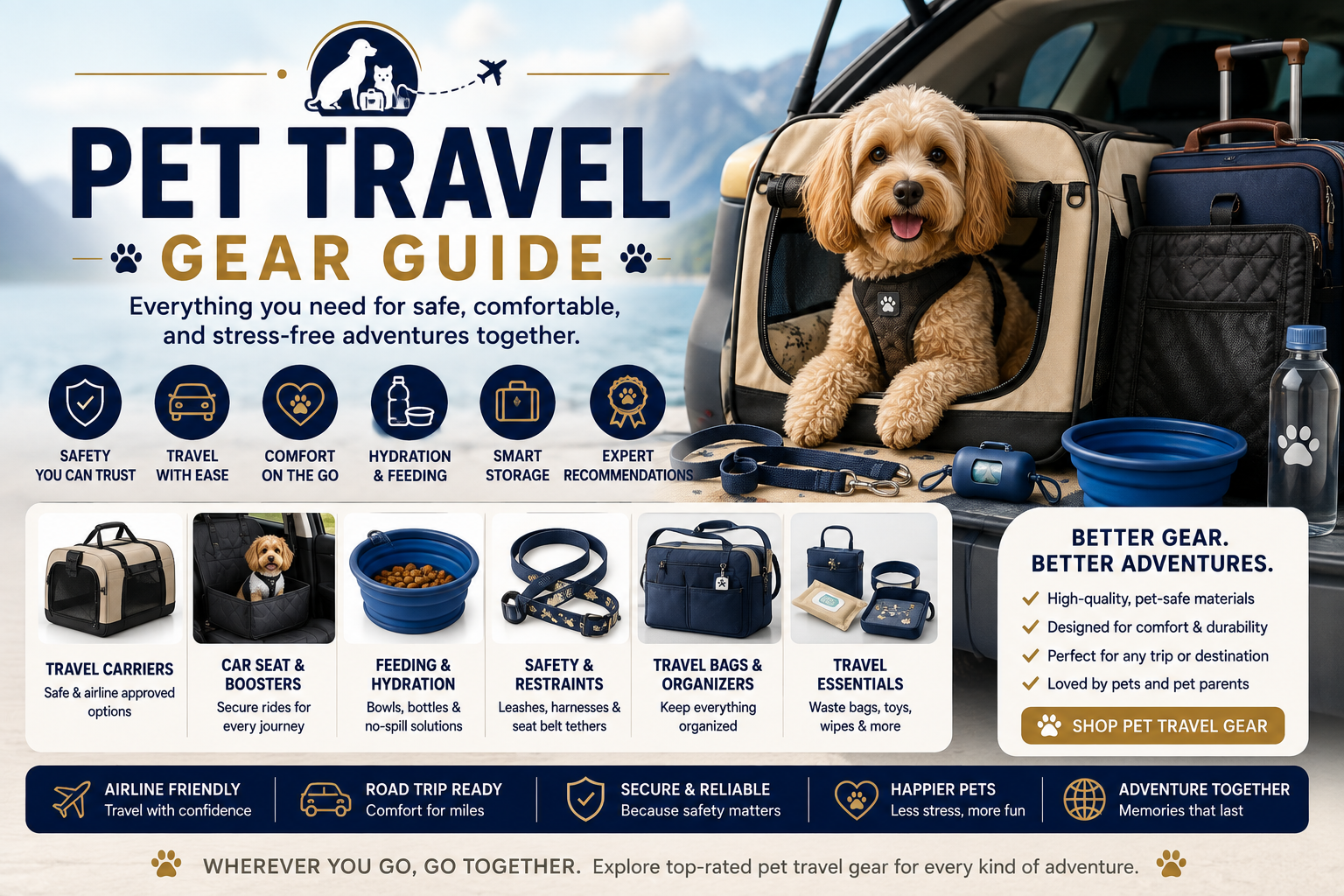
Winter Dog Gear Guide
Learn winter dog gear guide with practical guidance on sizing, safety, setup, use and the key factors that matter when choosing pet gear.
Quick Answer
Winter dog gear should match coat type, body size, age, health, wind, moisture, ground conditions, and time outdoors. Common needs include an insulated or waterproof coat, measured boots, reflective equipment, fresh water, paw-cleaning supplies, and a warm dry resting area.
Browse Winter Dog Gear Guide
Review the current selection, then use the fit, safety, maintenance, and compatibility guidance below to narrow the choices.
Open the approved product search.
View Available OptionsTypes and Use Cases
Insulated coat
Cold, wind, and short-coated dogs
Chest coverage and shoulder mobilityWaterproof shell
Rain, sleet, and wet snow
Breathability and secure closuresWinter boots
Ice, snow, salt, and deicers
Traction, insulation, and measured fitVisibility gear
Dark mornings and evenings
Reflective surfaces and secure attachmentWhat Matters Most
- Measure: Use actual dog and product dimensions.
- Match the task: Choose for the real sleeping, travel, feeding, play, or weather need.
- Inspect: Check fasteners, surfaces, moving parts, and wear.
- Introduce gradually: Build comfort before relying on the item.
- Maintain: Clean, dry, adjust, and replace parts as required.
Decision Table
| Type or area | Best use | Feature to prioritize | Final check |
|---|---|---|---|
| Insulated coat | Cold, wind, and short-coated dogs | Chest coverage and shoulder mobility | Confirm fit and safe use for the individual dog. |
| Waterproof shell | Rain, sleet, and wet snow | Breathability and secure closures | Confirm fit and safe use for the individual dog. |
| Winter boots | Ice, snow, salt, and deicers | Traction, insulation, and measured fit | Confirm fit and safe use for the individual dog. |
| Visibility gear | Dark mornings and evenings | Reflective surfaces and secure attachment | Confirm fit and safe use for the individual dog. |
How to Choose and Use It Safely
1. Assess the individual dog
Small, thin-coated, senior, young, or ill dogs may chill faster.
2. Layer for conditions
Use insulation for cold and a shell for wind or moisture.
3. Measure carefully
Coats should not block shoulders, tail, or elimination.
4. Protect paws
Use boots when appropriate and wipe away ice, salt, and chemicals.
5. Limit exposure
Shorten outings during extreme cold, wind, or wet conditions.
6. Provide warm water and rest
Ensure fresh non-frozen water and a dry indoor recovery area.
Common Mistakes
Assuming every dog tolerates cold because it has fur.
Leaving wet clothing on after returning indoors.
Using boots or coats that restrict gait, circulation, or elimination.
Winter Dog Gear Guide FAQs
What is the most important first step for winter dog gear guide?
Winter dog gear should match coat type, body size, age, health, wind, moisture, ground conditions, and time outdoors. Common needs include an insulated or waterproof coat, measured boots, reflective equipment, fresh water, paw-cleaning supplies, and a warm dry resting area.
Should I rely on breed or weight labels?
No. Use actual measurements, observed behavior, and the exact manufacturer chart or instructions because product sizing is not standardized.
How should a new product be introduced?
Introduce it gradually in a calm setting. Reward voluntary investigation and short successful use before adding duration, movement, noise, or a new environment.
What should I inspect before each use?
Check seams, fasteners, hardware, surfaces, cords, blades, straps, soles, ventilation, and moving parts that apply to the product.
How often should it be cleaned?
Follow the material-specific instructions and clean more often after food, water, accidents, mud, sweat, salt, or outdoor exposure. Dry components completely.
Can this equipment replace supervision?
No. Beds, crates, carriers, toys, feeders, boots, and weather gear support care but do not replace observation, training, fresh water, direct feeding checks, or veterinary care.
When should it be replaced?
Replace it after cracks, fraying, failed closures, exposed filling, damaged electronics, bent hardware, persistent odor, or any condition that makes safe use or cleaning unreliable.
What should I verify after the first few uses?
Recheck fit, stability, rubbing, movement, noise, heat, and the dog’s behavior. Early avoidance, loosening, skin marks, or mechanical problems can reveal a poor match.
Choose for the Real Dog and Routine
Prioritize fit, safety, cleaning, and practical daily use.
See Current Selection