
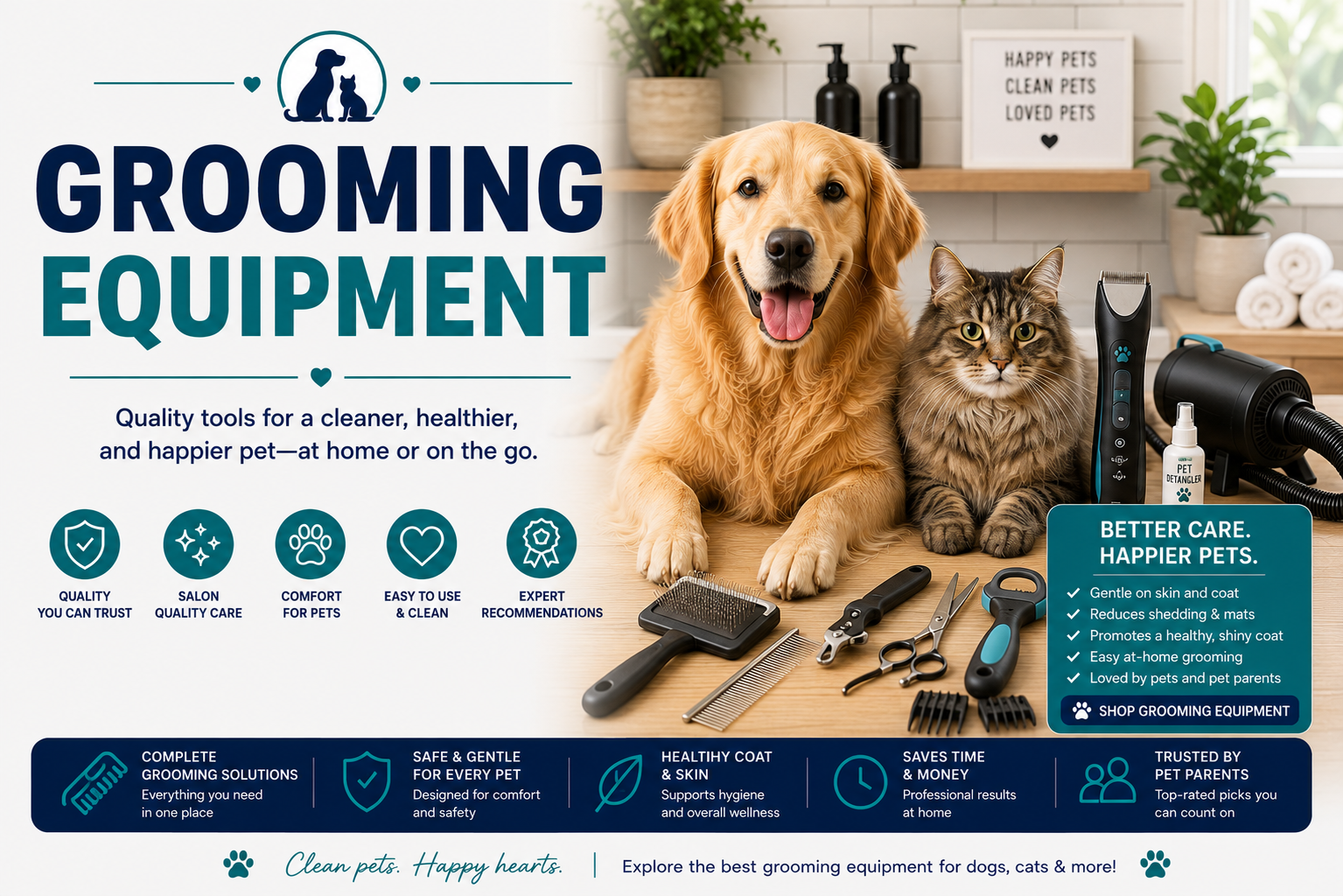
Best Cat Brushes
Compare the best cat brushes for performance, safety, comfort, durability, ease of use and overall value.
Quick Answer
Choose a cat brush by coat length, density, undercoat, matting tendency, skin sensitivity, and tolerance. Short coats often respond well to rubber or soft bristle tools, while long coats usually need a comb plus a slicker or pin brush for layered grooming.
Best Cat Brushes: current products worth comparing
These options match the specific buying intent of this page. Compare the product itself—not just the brand name—then verify sizing, compatibility and current specifications before ordering.
FURminator deShedding Tool
Stainless deShedding edge targets loose undercoat on shedding breeds.
CHECK CURRENT PRICESChris Christensen Big G Slicker Brush
Long pins and dense pad designed for coat separation and fluffing.
CHECK CURRENT PRICESHertzko Self-Cleaning Slicker Brush
Retractable-pin mechanism simplifies fur removal from the brush.
CHECK CURRENT PRICESSafari Dual-Sided Pin & Bristle Brush
Two brush surfaces cover light detangling and coat finishing.
CHECK CURRENT PRICESBest Cat Brushes comparison
| Product / family | Best for | Why compare it | What to verify | Action |
|---|---|---|---|---|
| FURminator deShedding Tool | Best for heavy shedding | Stainless deShedding edge targets loose undercoat on shedding breeds. | Match pin/edge type to coat and skin sensitivity; aggressive deshedding can irritate skin or damage coat. | CHECK PRICES |
| Chris Christensen Big G Slicker Brush | Best premium slicker | Long pins and dense pad designed for coat separation and fluffing. | Match pin/edge type to coat and skin sensitivity; aggressive deshedding can irritate skin or damage coat. | CHECK PRICES |
| Hertzko Self-Cleaning Slicker Brush | Best easy-clean slicker | Retractable-pin mechanism simplifies fur removal from the brush. | Match pin/edge type to coat and skin sensitivity; aggressive deshedding can irritate skin or damage coat. | CHECK PRICES |
| Safari Dual-Sided Pin & Bristle Brush | Best general-purpose value | Two brush surfaces cover light detangling and coat finishing. | Match pin/edge type to coat and skin sensitivity; aggressive deshedding can irritate skin or damage coat. | CHECK PRICES |
Which option fits which buyer?
FURminator deShedding Tool
Stainless deShedding edge targets loose undercoat on shedding breeds.
Before buying: Match pin/edge type to coat and skin sensitivity; aggressive deshedding can irritate skin or damage coat.
Chris Christensen Big G Slicker Brush
Long pins and dense pad designed for coat separation and fluffing.
Before buying: Match pin/edge type to coat and skin sensitivity; aggressive deshedding can irritate skin or damage coat.
Hertzko Self-Cleaning Slicker Brush
Retractable-pin mechanism simplifies fur removal from the brush.
Before buying: Match pin/edge type to coat and skin sensitivity; aggressive deshedding can irritate skin or damage coat.
Safari Dual-Sided Pin & Bristle Brush
Two brush surfaces cover light detangling and coat finishing.
Before buying: Match pin/edge type to coat and skin sensitivity; aggressive deshedding can irritate skin or damage coat.
Browse Best Cat Brushes
Review the current selection, then use the fit, safety, maintenance, and compatibility guidance below to narrow the choices.
Open the approved product search in a new tab.
View Available OptionsTypes and Use Cases
Start with the format that fits the cat, household, environment, and primary task.
Rubber grooming brush
Short coats and loose surface hair
Soft flexible tips and easy cleaningSlicker brush
Loose coat and light tangles
Fine protected pins and gentle pressureMetal comb
Long coats, finishing, and detecting tangles
Rounded teeth and suitable spacingPin or bristle brush
General smoothing and sensitive cats
Soft contact and comfortable handleWhat Matters Most
- Coat type: Match tooth or pin length to the coat rather than using one brush for every cat.
- Skin safety: Use light pressure and stop after redness, pain, or agitation.
- Tangle control: Work from the ends toward the body instead of pulling through knots.
- Session length: Short frequent sessions are often better tolerated than occasional long grooming.
- Tool hygiene: Remove coat and clean the tool, especially between animals.
Format Comparison
| Type | Best use | Feature to prioritize | Final check |
|---|---|---|---|
| Rubber grooming brush | Short coats and loose surface hair | Soft flexible tips and easy cleaning | Confirm fit, mounting, and current instructions. |
| Slicker brush | Loose coat and light tangles | Fine protected pins and gentle pressure | Confirm fit, mounting, and current instructions. |
| Metal comb | Long coats, finishing, and detecting tangles | Rounded teeth and suitable spacing | Confirm fit, mounting, and current instructions. |
| Pin or bristle brush | General smoothing and sensitive cats | Soft contact and comfortable handle | Confirm fit, mounting, and current instructions. |
How to Choose More Confidently
1. Coat type
Match tooth or pin length to the coat rather than using one brush for every cat.
2. Skin safety
Use light pressure and stop after redness, pain, or agitation.
3. Tangle control
Work from the ends toward the body instead of pulling through knots.
4. Session length
Short frequent sessions are often better tolerated than occasional long grooming.
5. Tool hygiene
Remove coat and clean the tool, especially between animals.
Common Buying and Use Mistakes
Using scissors close to feline skin to remove mats.
Pulling a brush forcefully through a tight tangle.
Brushing painful skin, wounds, or severe mats without professional help.
Best Cat Brushes FAQs
How do I choose the right size or format for best cat brushes?
Use exact product dimensions and compare them with the individual cat’s body size, coat, behavior, mobility, and intended use. Do not rely on age or weight labels alone.
Which safety feature matters most?
Match tooth or pin length to the coat rather than using one brush for every cat. Then verify mounting, fit, materials, and supervision.
How should the product be introduced?
Introduce it in short reward-based sessions. Begin with the item stationary or inactive before adding movement, noise, elevation, confinement, or grooming contact.
Can it be used without supervision?
That depends on the product, but new shelves, wheels, tunnels, carriers, cameras, and grooming tools should be tested under direct observation first.
How often should it be inspected?
Inspect before important use and after washing, impact, heavy loads, chewing, or signs of wear. Check mounts, seams, hardware, blades, cords, and closures.
When should it be replaced?
Replace it after cracks, fraying, exposed wire, failed mounts, dull blades, damaged cords, persistent contamination, or unreliable operation.
Does a higher price guarantee better safety?
No. Correct fit, stable construction, transparent specifications, maintenance access, and suitability for the individual cat matter more than price alone.
When should I consult a veterinarian or specialist?
Seek professional guidance for pain, overgrown or broken nails, severe mats, skin disease, mobility limits, travel anxiety, or unusual behavior.
Choose for the Cat and the Real Use Case
Prioritize correct fit, stable construction, practical maintenance, and suitability for the cat’s health and routine.
See Current SelectionKEEP EXPLORING
Related guides and comparisons
Use these closely related PetSupplyGuide resources to compare options, understand fit and make the next buying decision with better context.