
How to Choose a Pet Camera
Learn how to choose a pet camera with practical guidance on sizing, safety, setup, use and the key factors that matter when choosing pet gear.
Quick Answer
Choose a pet camera by field of view, mounting safety, Wi-Fi reliability, account security, recording options, alert quality, and the pet’s reaction to audio, moving lenses, or treat mechanisms. Start with the monitoring need before adding interactive features.
Products worth comparing while using this guide
These are current reference products for the exact buying decision on this page. Use the guide first, then compare fit, safety, maintenance, compatibility and current model details.
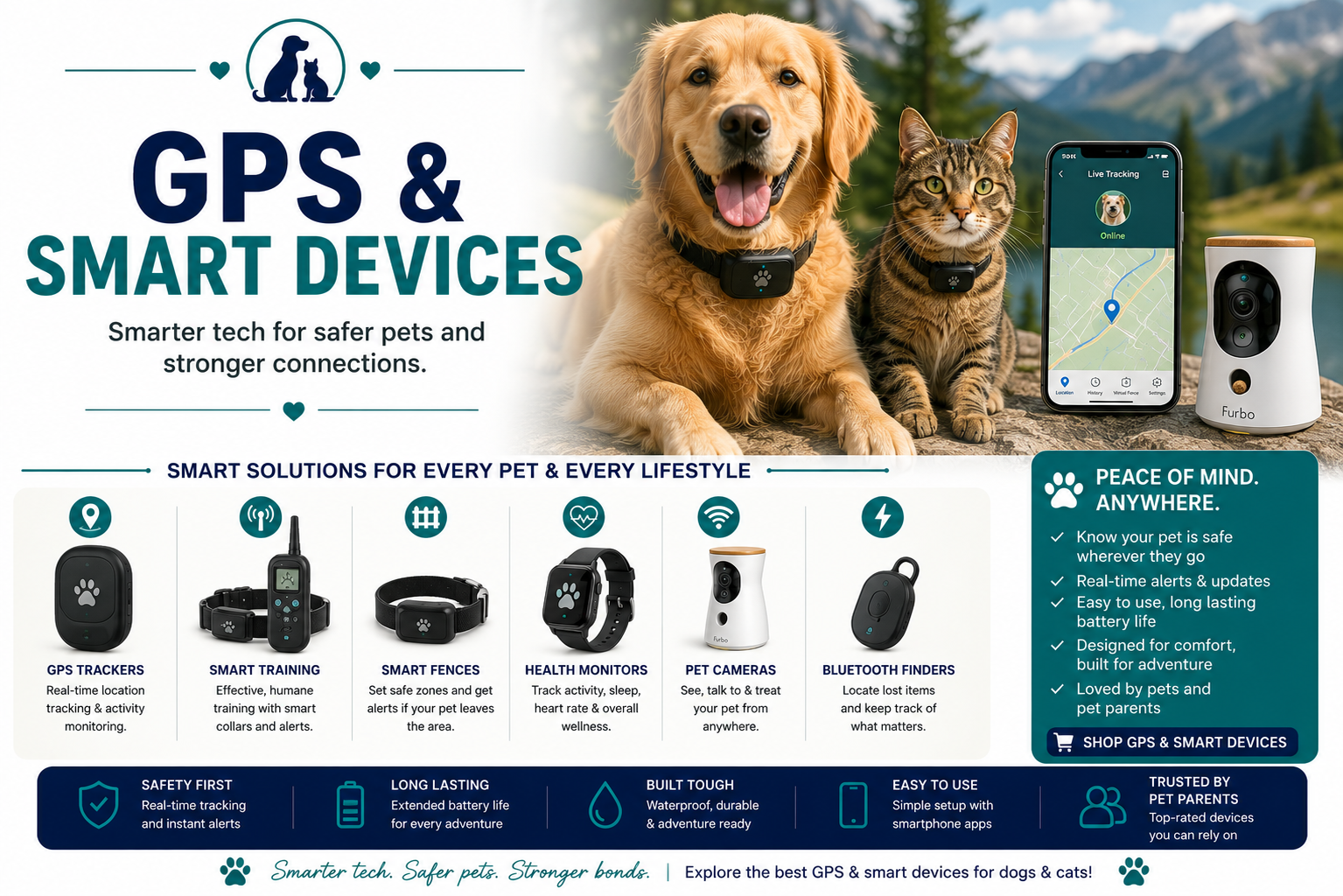
Furbo 360° Dog Camera
Rotating view, two-way audio and treat tossing.
CHECK CURRENT PRICESPetcube Bites 2 Lite
Treat dispensing and app-based monitoring at a lower entry price.
CHECK CURRENT PRICESPetcube Cam 360
Compact camera for room monitoring without treat hardware.
CHECK CURRENT PRICESEufy Pet Dog Camera D605
Pet-focused rotating camera with treat dispensing and smart tracking.
CHECK CURRENT PRICESHow to Choose a Pet Camera comparison
| Product / family | Best for | Why compare it | What to verify | Action |
|---|---|---|---|---|
| Furbo 360° Dog Camera | Best dog-focused treat camera | Rotating view, two-way audio and treat tossing. | Compare privacy controls, subscription requirements, night view, two-way audio and whether treat features fit the pet. | CHECK PRICES |
| Petcube Bites 2 Lite | Best value treat camera | Treat dispensing and app-based monitoring at a lower entry price. | Compare privacy controls, subscription requirements, night view, two-way audio and whether treat features fit the pet. | CHECK PRICES |
| Petcube Cam 360 | Best simple pan/tilt monitor | Compact camera for room monitoring without treat hardware. | Compare privacy controls, subscription requirements, night view, two-way audio and whether treat features fit the pet. | CHECK PRICES |
| Eufy Pet Dog Camera D605 | Best local-storage style alternative | Pet-focused rotating camera with treat dispensing and smart tracking. | Compare privacy controls, subscription requirements, night view, two-way audio and whether treat features fit the pet. | CHECK PRICES |
Which option fits which buyer?
Furbo 360° Dog Camera
Rotating view, two-way audio and treat tossing.
Before buying: Compare privacy controls, subscription requirements, night view, two-way audio and whether treat features fit the pet.
Petcube Bites 2 Lite
Treat dispensing and app-based monitoring at a lower entry price.
Before buying: Compare privacy controls, subscription requirements, night view, two-way audio and whether treat features fit the pet.
Petcube Cam 360
Compact camera for room monitoring without treat hardware.
Before buying: Compare privacy controls, subscription requirements, night view, two-way audio and whether treat features fit the pet.
Eufy Pet Dog Camera D605
Pet-focused rotating camera with treat dispensing and smart tracking.
Before buying: Compare privacy controls, subscription requirements, night view, two-way audio and whether treat features fit the pet.
Browse How to Choose a Pet Camera
Use the checklist below, then review the approved product category for the remaining gear or supplies.
Open the approved product search.
View Available OptionsMain Checklist Areas
Fixed camera
One room or resting area
Wide view and secure placementPan-and-tilt camera
Larger room coverage
Quiet motion and app responseTreat camera
Remote rewards and interaction
Food compatibility and jam accessBattery camera
Flexible placement
Runtime, wake delay, and chargingWhat Matters Most
- Verify current rules: Policies and access can vary by provider and location.
- Measure and fit: Use exact pet and product dimensions.
- Carry backup control: ID, restraint, records, and manual supplies remain essential.
- Inspect equipment: Check fasteners, electronics, surfaces, and wear.
- Monitor the pet: Behavior, temperature, hydration, and comfort can change quickly.
Planning and Decision Table
| Area | Purpose | Priority | Final check |
|---|---|---|---|
| Fixed camera | One room or resting area | Wide view and secure placement | Verify the current requirement and individual fit. |
| Pan-and-tilt camera | Larger room coverage | Quiet motion and app response | Verify the current requirement and individual fit. |
| Treat camera | Remote rewards and interaction | Food compatibility and jam access | Verify the current requirement and individual fit. |
| Battery camera | Flexible placement | Runtime, wake delay, and charging | Verify the current requirement and individual fit. |
Step-by-Step Preparation
1. Define the goal
Choose basic viewing, alerts, recording, audio, or treat interaction.
2. Map the room
Place the camera where it covers the pet’s normal area without reachable cords.
3. Secure the account
Use a unique password and multifactor authentication when available.
4. Test connectivity
Verify live view, notifications, and recovery after an outage.
5. Introduce features
Test sounds, lights, motion, and treats while you are home.
6. Review storage
Understand local or cloud recording, retention, sharing, and deletion.
Common Mistakes and Limitations
Leaving cords or mounts within chewing or pulling reach.
Using default passwords or delaying firmware updates.
Assuming a camera can replace direct care or emergency response.
How to Choose a Pet Camera FAQs
What is the most important first step for how to choose a pet camera?
Choose a pet camera by field of view, mounting safety, Wi-Fi reliability, account security, recording options, alert quality, and the pet’s reaction to audio, moving lenses, or treat mechanisms. Start with the monitoring need before adding interactive features.
Should I rely on a product label alone?
No. Verify current rules, dimensions, compatibility, and instructions with the airline, manufacturer, park, vehicle, or veterinary source that applies.
How should new gear be introduced?
Introduce it gradually in a controlled setting. Reward calm investigation and short successful use before travel, confinement, water, or remote operation.
What should I inspect before use?
Check closures, straps, seams, batteries, cords, mounting, ventilation, sensors, and wear that apply to the equipment.
What backup should I carry?
Use visible ID, current records, emergency contacts, manual food and water options, and a physical control or transport plan.
Can this equipment replace supervision?
No. Trackers, cameras, barriers, carriers, restraint systems, and flotation devices support safety but do not remove the need for direct oversight.
When should the item be replaced?
Replace it after cracks, fraying, failed fasteners, unreliable electronics, damaged flotation, contamination, or any condition that prevents dependable use.
What should I recheck during the trip or activity?
Recheck fit, temperature, hydration, battery, behavior, closures, and local conditions because movement and environment can change the risk.
Prepare for the Real Trip or Activity
Use current rules, correct fit, backup supplies, and direct supervision.
See Current SelectionKEEP EXPLORING
Related guides and comparisons
Use these closely related PetSupplyGuide resources to compare options, understand fit and make the next buying decision with better context.